
For investors watching the Mediterranean, the "Croatia Effect" is a well-known phenomenon: early buyers in Dubrovnik saw 300% gains after EU entry. In 2026, Montenegro is following that exact playbook, but with a critical advantage: massive, modern infrastructure spending that is making the seaside more accessible than ever before.
While Croatia has reached "peak price" maturity, Montenegro is still in its high-growth infrastructure phase. The physical barriers that once made the Montenegrin coast feel isolated from the rest of the EU are being dismantled by 2026's aggressive road projects.
The Tivat-Jaz Boulevard: Ending the Coastal Clog
The 16-kilometer Tivat-Jaz Boulevard is the most important coastal project of the decade. Financed by the EBRD, this four-lane expansion is designed to move 30,000 vehicles daily.
By eliminating the bottleneck between Tivat Airport and the Budva Riviera, the "desirability zone" is expanding. Areas like Krtoli and Bigova, which were once considered "too far" from the action, are now prime 15-minute commute zones for luxury travelers.
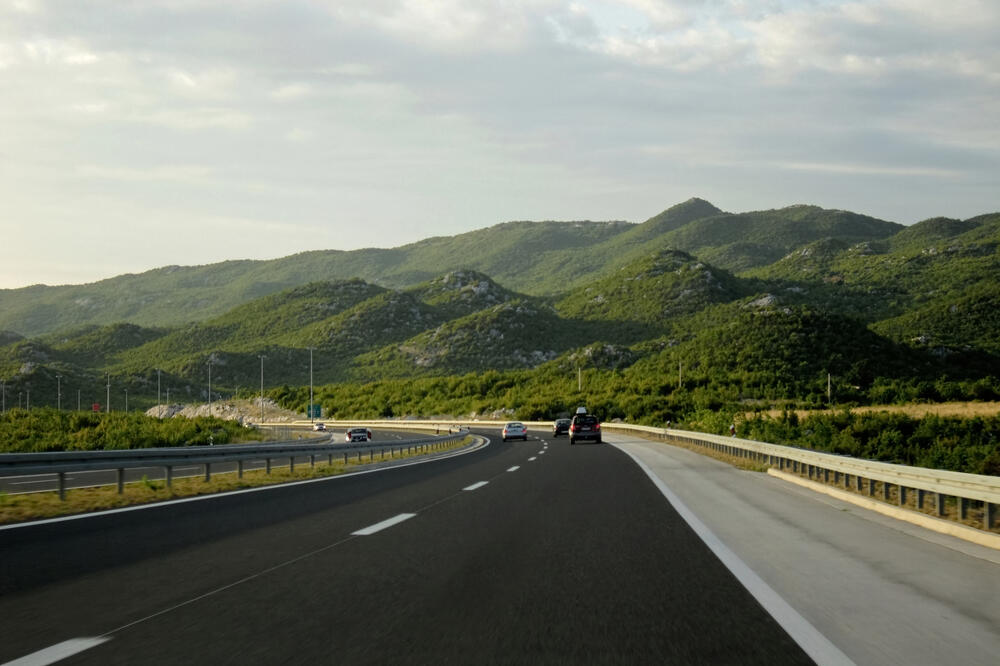
The Blue Corridor: Connecting to the EU
The Adriatic-Ionian Highway (The Blue Corridor) is Montenegro’s link to the European highway network.
As sections of the bypass around Herceg Novi and Budva move from blueprints to reality in 2026, the psychological distance to Croatia is disappearing. Investors are realizing they can own a waterfront villa in Kotor Bay for half the price of one in Dubrovnik, while being just a 45-minute drive away.
Why Infrastructure Drives the "Smart" Money
Smart money follows asphalt. Infrastructure growth in Montenegro is creating a "Catch-Up" ROI. As roads improve, Institutional Capital (large hotel groups and EU funds) enters the market, which in turn drives up residential property values.
- Accessibility: Higher occupancy rates for rentals as travel becomes "frictionless."
- EU Standards: New roads are being built to strict TEN-T European standards, signaling full EU alignment.
- Regional Rebalance: The South is no longer just for summer; better roads make the coast a viable year-round "Digital Nomad" hub.
Conclusion: The Window is Closing
History shows that once the highway is finished, the "entry-level" price disappears. With the major seaside boulevards scheduled for completion between now and 2027, the 2026 season represents the final window to buy into the Montenegrin coast before it achieves full "Croatian" price parity.